
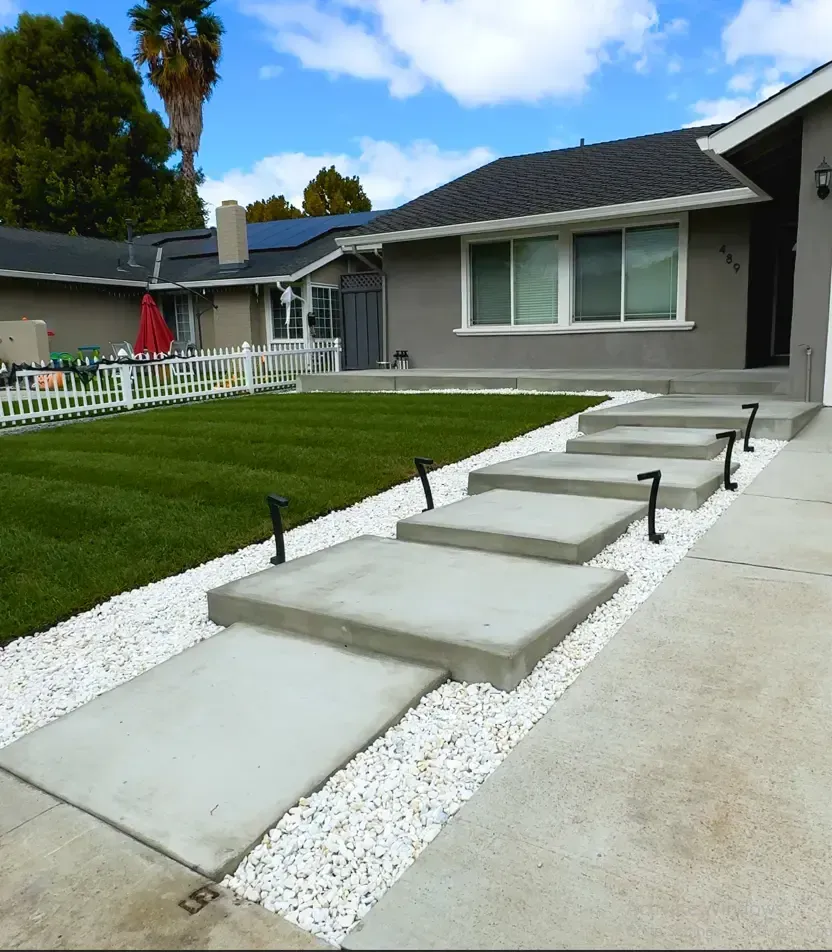
Walkways, Steps & Pathways: Small Hardscaping Projects with Big Curb Appeal Impact
When homeowners think about improving the appearance of their property, they often picture large-scale renovations, elaborate outdoor kitchens, or complete landscape redesigns. However, some of the most noticeable improvements can come from much smaller projects. Professionally designed walkways, steps, and pathways can completely change how a property looks and feels. With the right hardscaping services, these functional features can create a more polished landscape, improve the way people move through the property, and add significant curb appeal without requiring a complete outdoor renovation.
Small hardscaping projects are especially valuable because they combine practicality with design. A pathway is not simply a way to get from the driveway to the front door. It can create a welcoming entrance. Garden steps are more than a solution for a slope. They can become an architectural feature that connects different areas of the landscape. Even a modest stepping-stone path can add structure and personality to an otherwise ordinary yard.
When these elements are thoughtfully planned, they make outdoor spaces feel intentional, inviting, and complete.
Why Small Hardscaping Projects Make Such a Big Difference
Landscaping naturally changes over time. Plants grow, flowers bloom and fade, and seasonal weather changes how the property looks. Hardscaping provides the permanent framework that holds everything together.
Walkways, steps, and pathways create visual organization throughout a landscape. They establish clear routes between important areas and help guide the eye from one feature to another.
For example, a carefully designed front walkway can immediately make an entrance feel more welcoming. A pathway through a garden can invite visitors to explore an area that might otherwise be overlooked. Stone steps built into a slope can transform an awkward section of the yard into an attractive and functional transition.
These improvements can also help create a stronger first impression. The exterior of a home is one of the first things visitors notice. When pathways are cracked, uneven, poorly positioned, or simply uninspiring, the entire landscape may feel unfinished.
Updating those areas can dramatically improve the overall presentation of the property.
Create a More Welcoming Front Walkway
The walkway leading to your front door plays an important role in your home's curb appeal. It establishes the route guests take when approaching your home, which means it helps create their first impression before they ever step inside.
A thoughtfully designed walkway can make that experience more comfortable and visually appealing.
Depending on the character of the home and landscape, homeowners may choose materials such as:
Natural stone
Concrete pavers
Brick
Flagstone
Gravel
Decorative concrete
Stepping stones
Permeable pavers
The right material should complement the home's architecture rather than compete with it. A modern home may benefit from clean, geometric pavers, while a more traditional or rustic property might look better with natural stone.
The shape of the walkway matters as well. Straight walkways can create a formal, structured appearance. Gentle curves often create a softer, more relaxed feeling.
Even changing the width of a walkway can influence how welcoming it feels. A narrow path may feel purely functional, while a wider walkway can make the entrance appear more substantial and inviting.
Use Pathways to Create Movement Through the Landscape
Pathways can do much more than connect two points. They can help homeowners shape the way people experience their outdoor spaces.
Imagine walking through a backyard where there is no obvious route between the patio, garden, fire pit, and seating area. Even if each space looks attractive on its own, the overall landscape may feel disconnected.
Adding pathways creates natural transitions between those areas.
A pathway might connect:
A patio to a garden
A driveway to a side entrance
A deck to a pool area
A backyard entertainment space to a fire pit
A home to a detached garage or shed
A vegetable garden to an outdoor water source
A front yard to a backyard gathering area
These connections make the landscape easier to navigate while also helping different outdoor spaces feel like parts of one cohesive design.
A well-positioned pathway can even make a property feel larger. Curved paths that disappear behind plantings or landscaping features create a sense of depth and encourage people to explore.
Turn Uneven Terrain Into an Attractive Feature With Steps
Sloped properties can present landscaping challenges, but they also provide opportunities for interesting design.
Outdoor steps can make steep or uneven areas safer and easier to navigate while introducing another visual element into the landscape.
Rather than treating elevation changes as a problem, professional landscape designers can incorporate them into the overall design.
Natural stone steps, for example, can blend beautifully into a garden setting. Paver steps can create a clean and polished transition between patios, terraces, and lawns.
Steps may also be combined with retaining walls, planting beds, or landscape lighting to create a more dramatic effect.
Proper construction is particularly important with outdoor steps. Step height, depth, drainage, and material selection all contribute to comfort and safety.
When professionally designed and installed, steps should feel like a natural extension of the landscape rather than an afterthought.
Add Definition to Gardens and Planting Areas
Pathways are especially effective in gardens because they give planting areas structure.
Without defined walking areas, large gardens can sometimes appear crowded or difficult to navigate. A pathway creates breathing room between plants while giving homeowners and guests a comfortable way to enjoy the space.
Garden paths can also make routine maintenance easier. Rather than stepping into planting beds to prune plants, remove weeds, or check irrigation, homeowners can access different areas from a designated walkway.
Materials such as gravel, flagstone, and stepping stones often work particularly well in garden environments because they create a relaxed, natural appearance.
Plants can then be positioned along the edges of the pathway to soften the transition between hardscape and landscape.
Improve Safety Around Your Property
Curb appeal is important, but walkways and steps also have a practical purpose.
Uneven surfaces, loose stones, steep slopes, and poorly defined walking routes can create potential hazards. Professionally installed hardscaping can provide stable, predictable surfaces that make outdoor areas easier to navigate.
This becomes particularly important around frequently traveled areas such as front entrances, side yards, patios, and outdoor entertainment spaces.
Other design features can further improve safety.
Landscape lighting, for example, can illuminate steps and pathways after sunset. Proper drainage can prevent water from collecting on walking surfaces. Textured materials can provide additional traction.
The goal is to create outdoor spaces that are both beautiful and comfortable to use.
Choose Materials That Complement the Property
One of the advantages of small hardscaping projects is the wide range of materials available.
The best choice depends on several factors, including architectural style, landscape design, maintenance preferences, budget, and intended use.
Natural stone offers a distinctive appearance because no two pieces are exactly alike. It can work beautifully in gardens and luxury landscapes where homeowners want a more organic feel.
Pavers provide tremendous design flexibility. They are available in different shapes, sizes, textures, and patterns, making them suitable for both traditional and contemporary properties.
Gravel can provide an attractive and relaxed appearance for garden paths and lower-traffic areas. It can also allow for good drainage when installed correctly.
Concrete may be ideal for homeowners who want a clean, durable surface with a straightforward appearance.
Rather than choosing a material based solely on appearance, it is helpful to consider how that material will interact with the rest of the property.
A successful hardscape should look like it has always belonged there.
Consider Lighting for Evening Appeal
Walkways and steps should not disappear once the sun goes down.
Outdoor lighting can extend the visual impact of hardscaping into the evening while making outdoor spaces easier to navigate.
Low-profile path lights can highlight the edges of walkways. Integrated step lighting can illuminate elevation changes. Accent lighting can draw attention to nearby trees, garden features, or architectural details.
Lighting can also help create atmosphere.
A softly illuminated garden pathway may feel peaceful and intimate, while lighting around an entertainment space can make the backyard feel more inviting for gatherings.
When lighting is incorporated into the design from the beginning, fixtures, wiring, and placement can work seamlessly with the hardscaping rather than appearing added later.
Increase Curb Appeal Without Redesigning the Entire Yard
One reason small hardscaping projects are so appealing is that homeowners do not necessarily have to renovate their entire landscape to see a noticeable improvement.
A new walkway or set of steps can become a focal point that refreshes the surrounding property.
Consider a front yard with mature landscaping but an outdated concrete walkway. Replacing that walkway with attractive pavers could immediately modernize the entrance without changing the existing trees, lawn, or planting beds.
The same principle applies in the backyard.
Adding a path between an existing patio and garden may make the entire space feel more organized and intentional.
These targeted improvements allow homeowners to focus on specific areas that provide the greatest visual and functional impact.
Blend Hardscaping With Soft Landscaping
The most attractive outdoor environments typically combine hardscape and softscape elements.
Hardscape provides structure. Plants provide texture, movement, and color.
Walkways can be softened with ornamental grasses, flowering plants, shrubs, or ground cover. Steps can be surrounded by garden beds that help them blend naturally into the slope. Pathways can lead visitors toward specimen trees, water features, sculptures, or seating areas.
The relationship between these elements is what creates a finished landscape.
For example, a stone pathway alone may look attractive. But when that same pathway winds through carefully selected plantings and leads toward a quiet seating area, it becomes part of a larger outdoor experience.
Small Details Can Elevate the Entire Design
Successful hardscaping often comes down to details.
The pattern of pavers, the width of a walkway, the shape of a curve, or the transition between materials can all influence the finished appearance.
Borders are another useful design tool. A contrasting paver border can give a walkway a more finished look. Gravel paths can be defined with stone edging. Garden walkways can transition into patios using complementary materials.
Even the spacing of stepping stones matters. Stones positioned too far apart may be uncomfortable to walk across, while properly spaced stones create a natural rhythm.
Professional planning helps ensure that these small details support both the appearance and functionality of the landscape.
Plan for Long-Term Performance
A beautiful walkway should continue looking attractive for years.
That requires more than selecting a nice material. Proper preparation beneath the surface is essential.
The base material must be prepared correctly to support the hardscape and reduce shifting or settling. Drainage needs to be considered so water does not collect underneath or around the project.
Material durability also matters.
Homeowners should consider how much foot traffic the area receives, how the surface will respond to weather, and what level of maintenance they are comfortable performing.
Professional installation can help address these factors from the beginning, reducing the likelihood of problems later.
Think About the Entire Outdoor Experience
Hardscaping works best when individual projects support the overall outdoor environment.
Instead of thinking only about where a walkway begins and ends, consider what people will see and experience while using it.
Does the pathway provide an attractive view of the garden? Does it lead naturally toward the patio? Does it make the entrance easier to find? Could landscaping or lighting make the route more interesting?
These questions help turn a functional project into a thoughtful design feature.
The best outdoor spaces feel effortless, but that effortless feeling usually comes from careful planning.
Frequently Asked Questions About Walkways, Steps, and Pathways
What is the best material for an outdoor walkway?
There is no single best material for every property. Pavers, natural stone, concrete, gravel, and brick can all work well depending on the home's style, intended use, budget, and maintenance preferences.
How wide should a residential walkway be?
Many residential walkways are approximately three to four feet wide. Wider walkways may be more comfortable in heavily traveled areas or near a main entrance.
Can a new pathway be added without redoing the entire landscape?
Yes. Walkways and pathways are excellent standalone projects. They can often be incorporated into an existing landscape without requiring a complete redesign.
Are pavers better than poured concrete?
Both materials have advantages. Pavers provide more design flexibility and can often be repaired individually if damaged. Concrete offers a clean, durable surface and may work well for simpler designs.
Can pathways help with drainage?
Certain pathway materials and installation techniques can improve water movement. Permeable pavers and gravel, for example, may allow water to infiltrate rather than immediately running off the surface. Proper grading remains important.
Should outdoor steps include lighting?
Lighting is highly recommended when steps are frequently used after dark. Step lights or nearby landscape lighting can improve visibility while also adding visual interest.
Can walkways increase curb appeal?
Absolutely. A well-designed walkway creates a more polished entrance, provides visual structure, and can significantly improve a home's first impression.
How do I know what hardscaping style will match my home?
Consider the home's architecture, exterior materials, colors, and existing landscape. A professional landscape designer can help select materials and layouts that complement the property.
Do small hardscaping projects add value to a property?
They can. Attractive, functional outdoor improvements may increase perceived property value by improving curb appeal, usability, and the overall appearance of the landscape.
Is professional installation necessary?
Simple projects may sometimes be completed by homeowners, but professional installation is valuable when grading, drainage, structural support, slopes, or detailed layouts are involved. Proper preparation can make a major difference in long-term performance.
Transform Your Outdoor Space With Flor Landscaping
Sometimes the biggest changes to a landscape begin with relatively small improvements. A beautifully designed walkway, an inviting garden path, or a thoughtfully constructed set of steps can completely change the way your property looks and feels.
At Flor Landscaping, we help homeowners discover the ultimate relaxation in their own backyards. Our luxury landscape services turn ordinary spaces into tranquil retreats designed around the way you want to live outdoors. Whether you envision a serene garden hideaway, an elegant pathway through lush landscaping, or a family-friendly entertainment area where everyone can gather, our experienced team has the expertise to transform your outdoor dreams into reality.
From carefully planned hardscaping to complete landscape transformations, we focus on creating spaces that feel beautiful, functional, and distinctly yours.
Ready to elevate your landscape? Contact us today and get a free consultation to start creating the outdoor space you have been imagining.
